“SaaS is dead.”
Someone dropped this comment during a team meeting last month. What followed was a long debate that ended exactly where you’d expect: it’s not dead, it’s just evolving into something much more aggressive.
In this post, we’re looking at why Q1 broke every record on the books, where AI & SaaS are actually going, and some wins you might have missed while trying to keep up with the news.
Q1: The quarter of the titans
Later-stage AI: It didn’t just grow, it exploded
Global startup funding reached $297 billion in Q1 2026. That is a 2.5x increase over the previous quarter. But if you look closer, the wealth wasn't shared equally. Just four massive AI deals made up 63% of that total capital:
- OpenAI closed at $122B ($852B valuation)
- xAI-SpaceX filed for a $1.75T IPO,
- Databricks raised $5B to power enterprise AI, and
- Anthropic hit $380B after its $30B Series G.
Seed and Series A: Is there any room left?
The short answer is yes. Early-stage funding reached $41.3 billion across 1,800 deals this quarter. While funding was up 41% year-over-year, most of that cash moved into Series A rounds.
The Seed market is a bit more complicated. Total Seed funding hit $12 billion (up 31% year-over-year), but the number of actual deals dropped by 30%. Investors are writing bigger checks, but they are being much pickier about who gets them.
Celebrating startup wins
Our own clients have been busy this quarter, proving that you don't need OpenAI-level capital to dominate a niche:
- SolveAI: Exited stealth with a $50M round led by GV and Accel
- Pi Labs: Got acquired by Microsoft
- Easor: Officially trading on Nasdaq Helsinki
- Featherless: Making one-click AI a reality with the integration of OpenClaw
We’ve been right there with them, turning technical complexity into brand identities that people actually trust.
Q2 AI & SaaS trends
No, SaaS isn’t dead. The subscription for mediocrity is. As our Co-Founder Ines puts it:
If your software is just a digital landlord collecting rent for a leaky apartment, don’t be surprised when your users hit “unsubscribe” and prompt their way to a better solution. To survive, SaaS companies need to stop being landlords and start being specialists.
Integrating AI isn't a strategy anymore. It's the baseline. By the end of this year, 75% of SaaS companies will use AI to run at least one major business process.
Agentic AI: Do or die
Agentic AI has transitioned from a buzzword for pitch decks into the engine making SaaS faster and cheaper to run.
- 68% of European SaaS now embeds autonomous AI agents.
- By the end of this year, three out of every four SaaS companies will use AI to run at least one major business process.
As AI isn’t a differentiation factor anymore, SaaS companies need to nail their value proposition and market position in 2026. That’s why micro SaaS and vertical SaaS are gaining significant momentum.
Micro & vertical SaaS: The rise of the specialists
We are seeing huge momentum in Micro SaaS: small, niche businesses that solve one specific problem very well. These teams have lower overhead and can pivot faster than the giants: faster development cycles, lower overhead costs, and greater flexibility. They can quickly adapt to customer needs and deliver customized solutions.
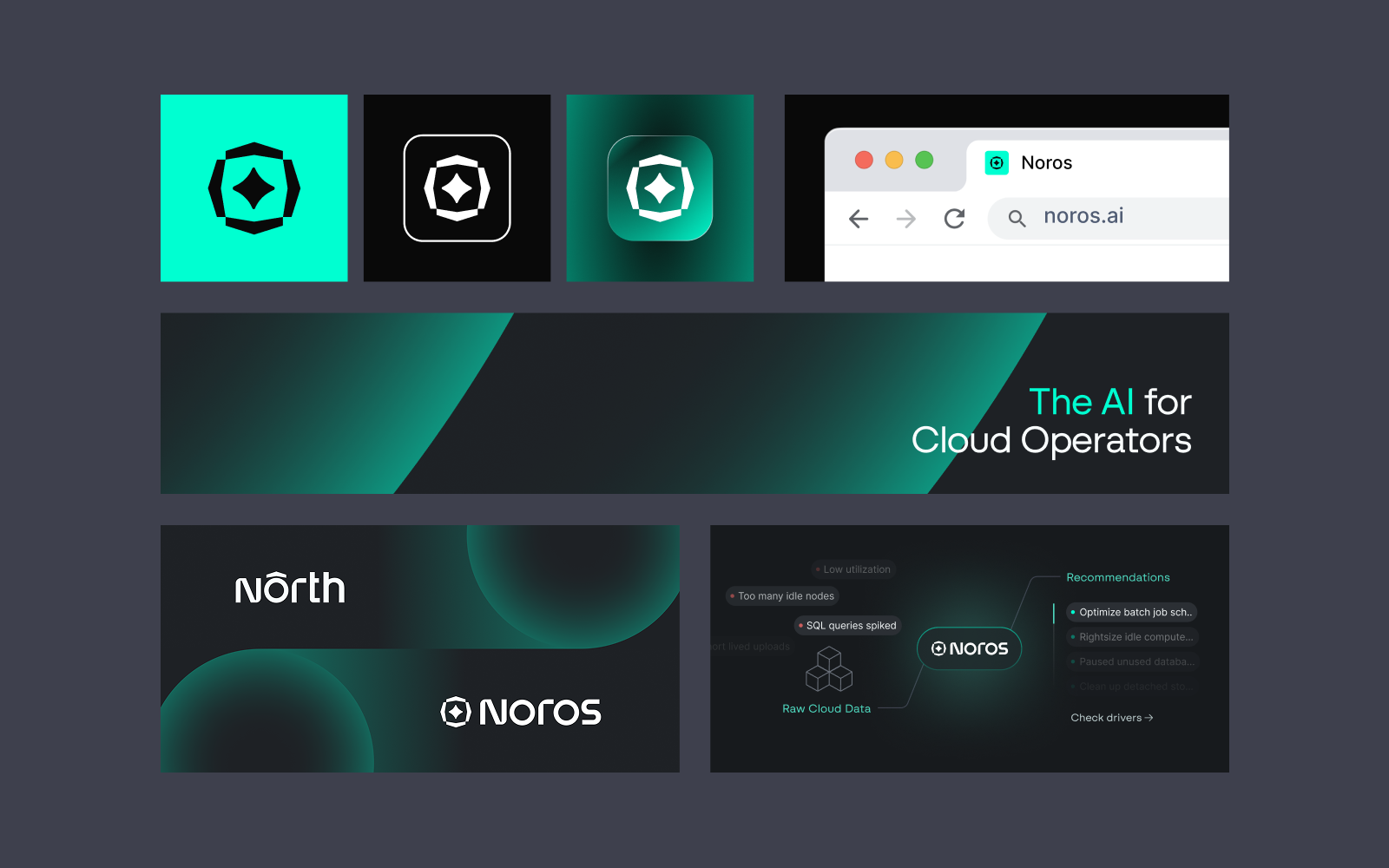
From marketing tools such as Jasper, developer tools such as GitHub Copilot, to AI FinOps Copilots such as Noros by North.cloud, micro SaaS solutions with GenAI could be the category-definers in 2026.
Also, industry-specific SaaS (Legaltech, Healthtech, Industrial) is growing at 28% YoY. These specialized, vertical tools are currently outpacing general "horizontal" software by a 3:1 ratio.
The good news for users
If your team grows from 10 to 11 people, you shouldn't be forced into a pricing plan built for 50. Seat-based pricing is a relic of 2025.
To stay competitive, 62% of European SaaS firms are now testing consumption-based models. This aligns your revenue with the actual work the AI agent does for the client, rather than how many human logins they have.
The good news for AI & SaaS companies
SaaS is very much alive, but mediocrity is finished. With current AI tools, chances are a 35-year-old geek from New Jersey working from home in his 20m2 apartment might take 5 min to code a product that keeps pace with yours.
To win in 2026, you have to use every lever you have. From your product's code to the way your brand communicates its utility: make sure you reflect intelligence, not just hype.
Recognizing the AI & SaaS boom, we at The Branx have sharpened our focus.
Our Intelligent Branding approach ensures that every pixel is rooted in strategy: connected directly to company values, goals, and market position. We bridge the gap between intelligent tech and design and turn complex innovation into a category-defining brand. From seed to Series B, we build the AI & SaaS brands that lead the market.
We're recognizing the importance of speed for tech companies and are building brands that move at the speed of tech.
Have a look at our new Brand OS offering: AI-readable brands that automate your branding processes.
Sources and further reading:
https://www.fortunebusinessinsights.com/software-as-a-service-saas-market-102222
https://www.scalemetrics.ai/top-european-saas-trends-2026/
https://substack.com/home/post/p-190004650
https://news.crunchbase.com/venture/record-breaking-funding-ai-global-q1-2026/