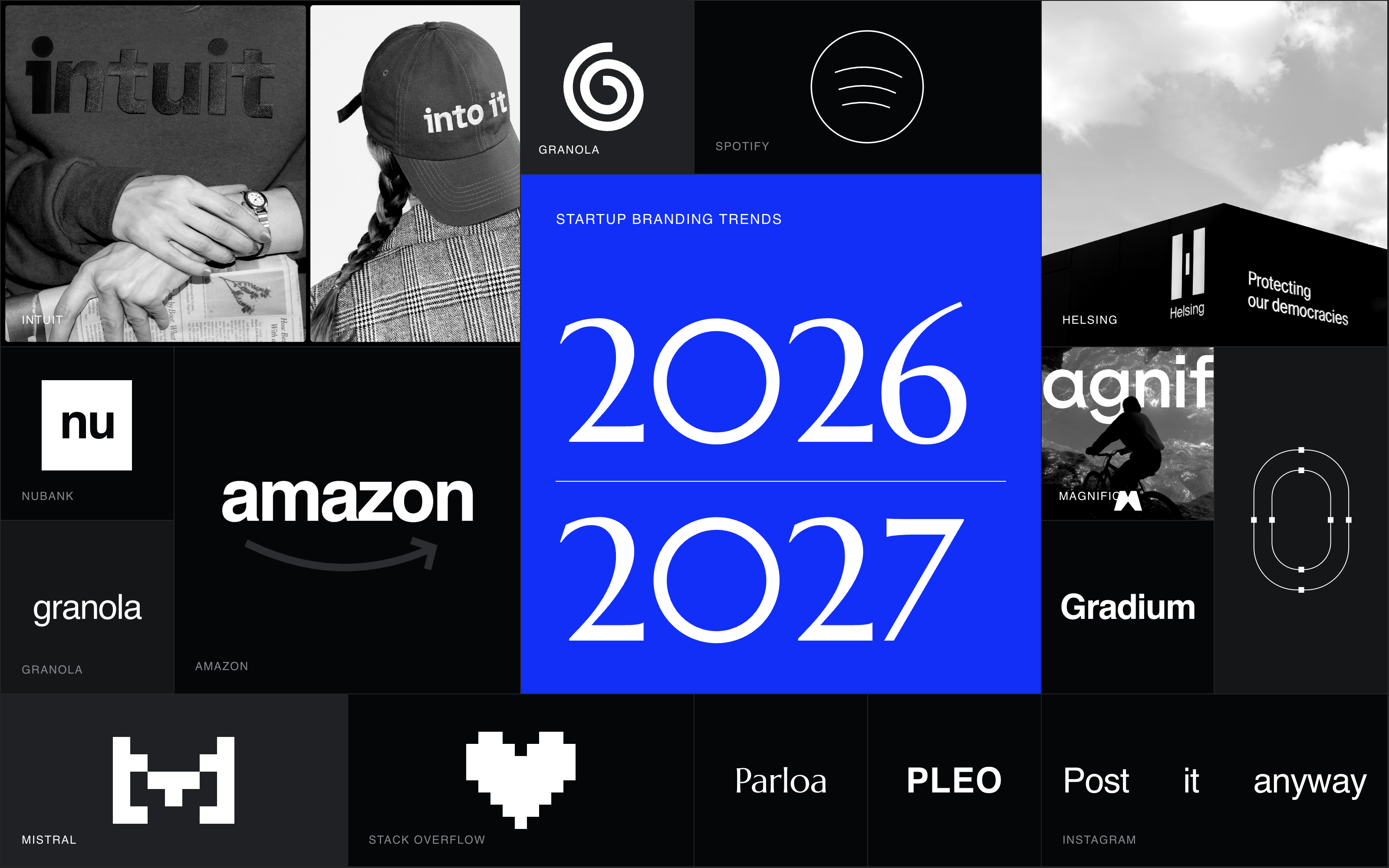
In 2026, the biggest tech brands mostly refined what they already had, while a group of European start-ups took more risks. Instagram, Nubank and Intuit tidied up their identities. Meanwhile, a London note-taking app built its logo from its co-founder's handwriting, a Swedish legal-AI company signed Jude Law, and a company from Málaga replaced one of the best-known names on the internet.
The start-ups that stood out did not share a style so much as an attitude. In a market where many AI products promise similar things, they leaned on personality, craft and a clear point of view, and several of them raised large rounds soon after. Here is what worked, what didn't, and what we expect in 2027.
The big players: evolution, not revolution
The largest tech brands spent 2026 protecting what people already recognise. None of them changed an app icon that billions of people use every day.
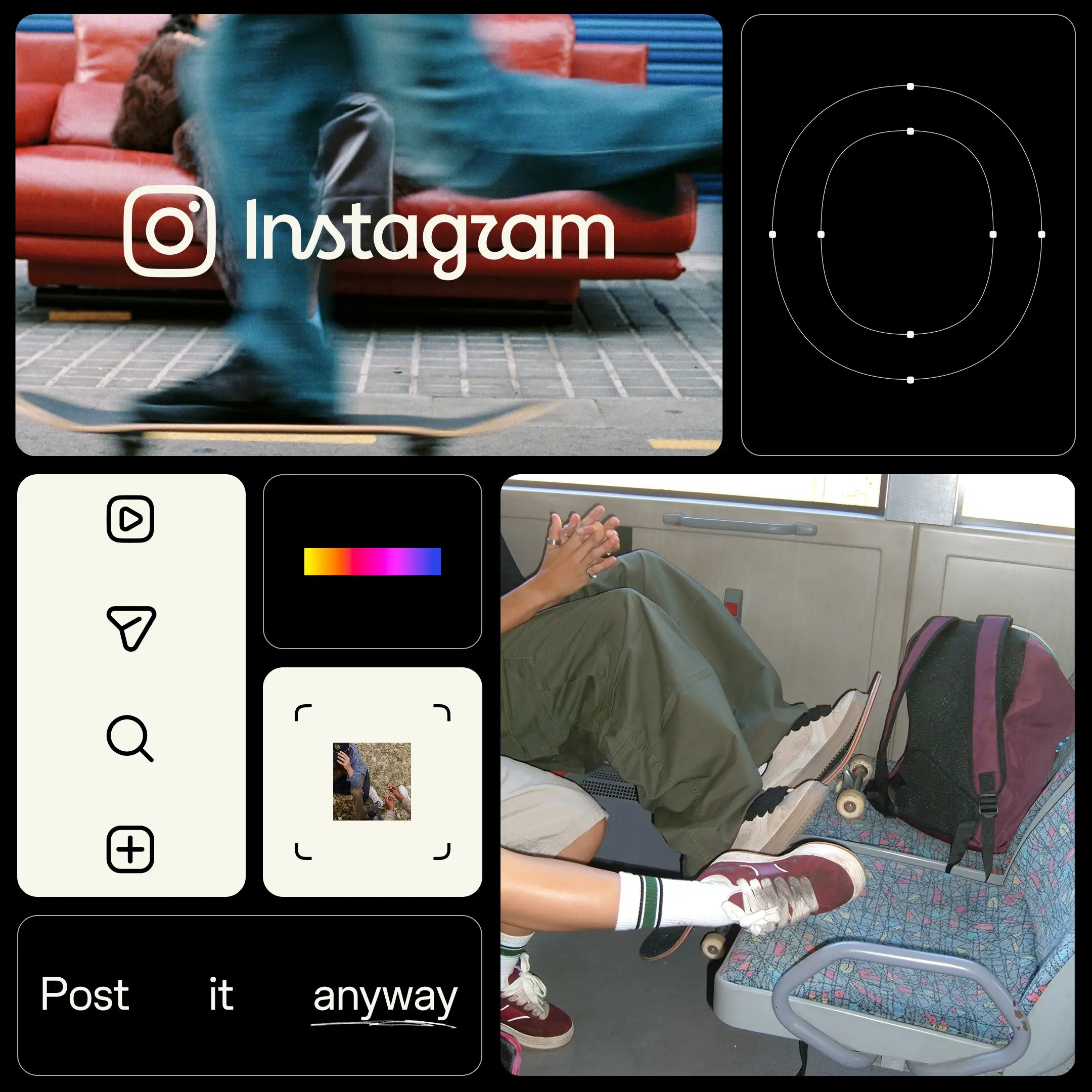
Instagram updated its wordmark in August, the first change in a decade. The script is bolder and simpler, the gradient is used more sparingly, and two new typefaces arrived: Instagram Pen, based on handwriting, and Instagram Mono. The app icon stayed the same.[1] The unusual “r” led some users to joke that it reads “Instagzam”,[2] a reminder that a single letter can take over the conversation.
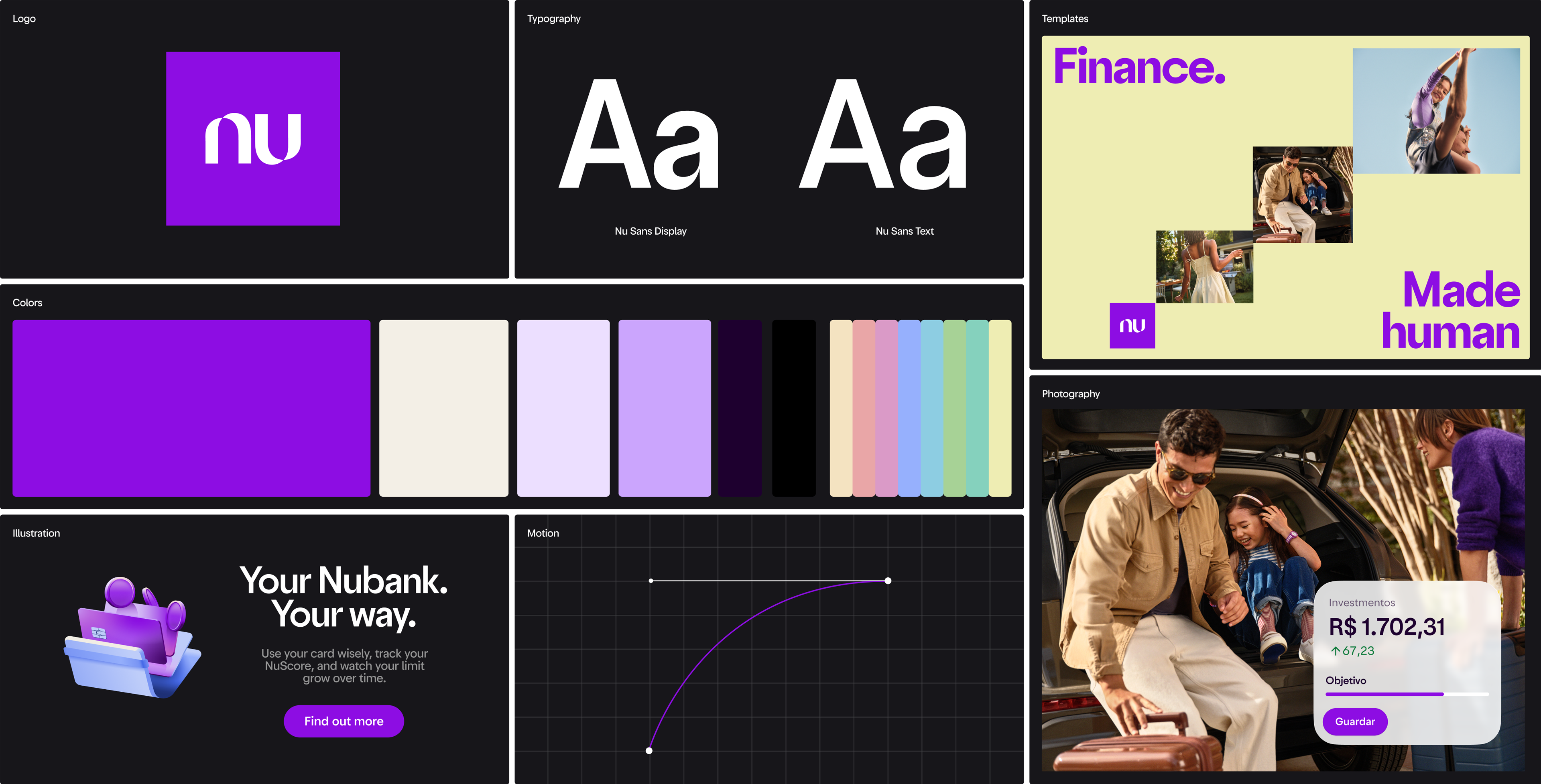
Nubank refreshed its identity in June. It kept its purple and built a clearer system around it: a refined symbol, its own NuSans typeface and a structured palette, designed to cover everything from its premium Ultravioleta card to Nu Empresas across 135 million customers.[3] As Fast Company noted, purple has become common across fintech, so the typeface and motion now do more of the work of setting Nubank apart.[4]
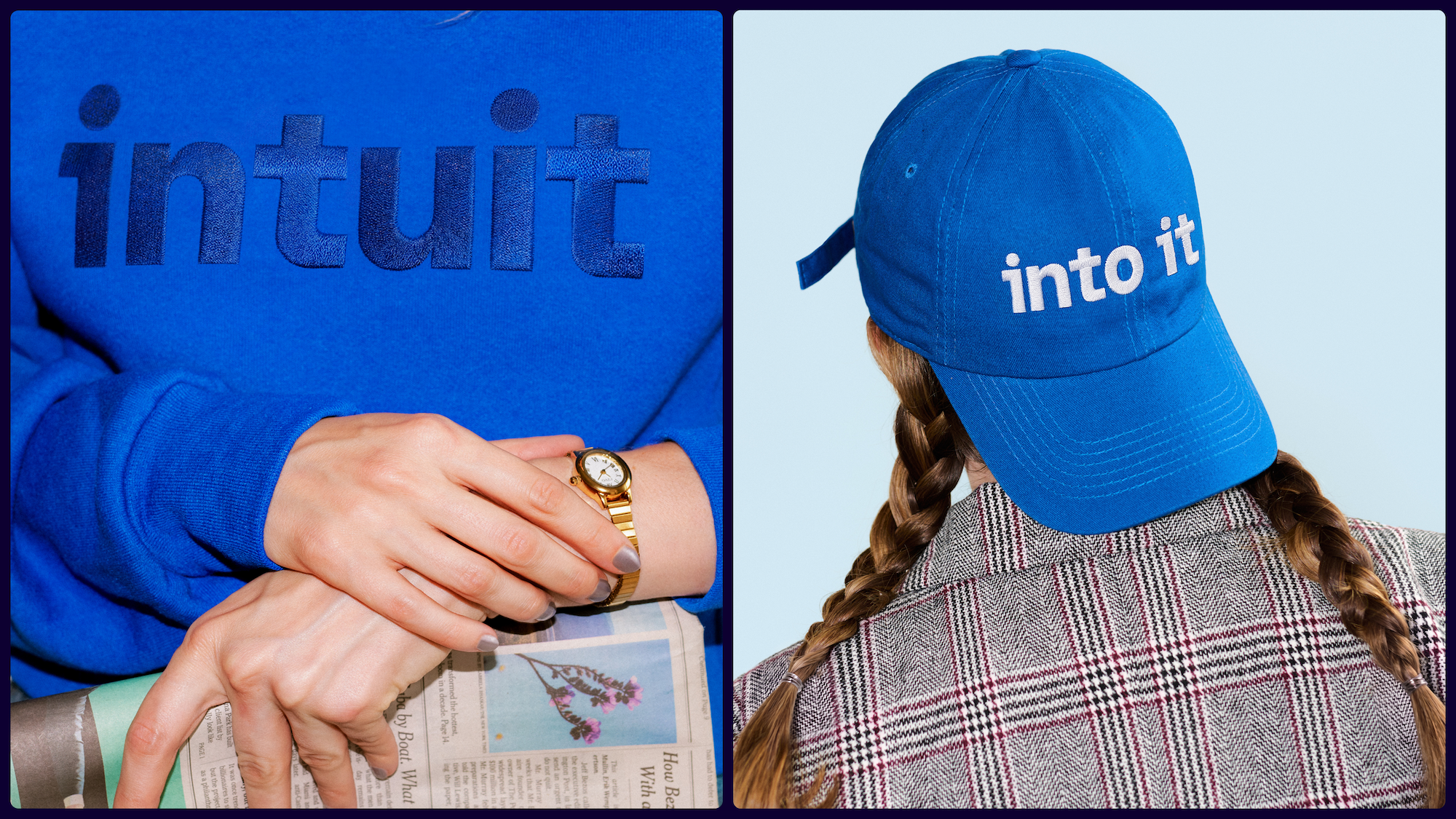
Intuit brought TurboTax, QuickBooks, Credit Karma and Mailchimp under one identity, “One Intuit”, in September. Its wordmark also works as an interface element that moves across screens to introduce its AI features.[5]
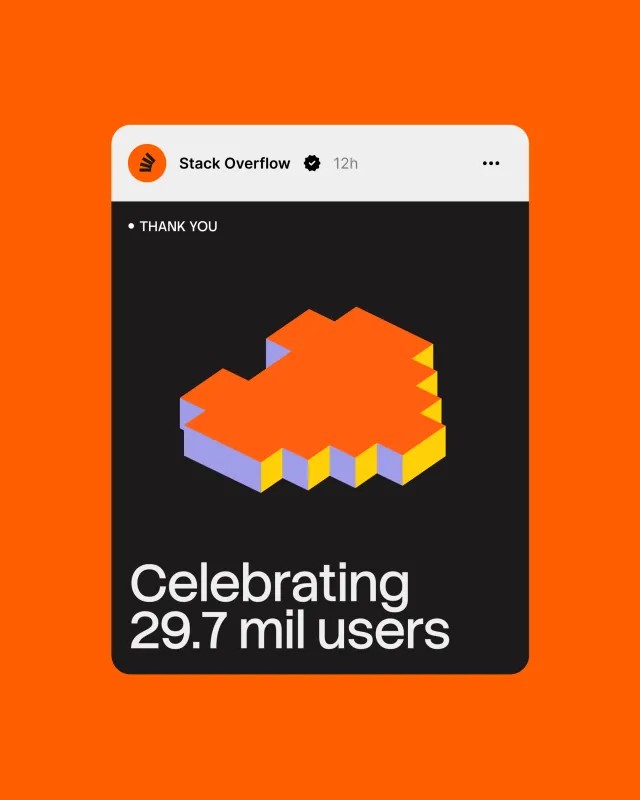
Stack Overflow offers a thoughtful answer to a hard question. With AI tools answering developer questions in seconds, Koto rebuilt the brand around what AI can't easily copy: a community that asks, tests and corrects knowledge in public. A stacking logo, the free Stack Sans typeface and design routes that developers voted on make it feel built with its community. The identity launched at the end of 2025 and has been widely discussed this year.[6]
Europe's challengers at a glance
Nine European start-ups and scale-ups whose brands made news in 2026, and the funding that came with or after it.
| Brand | Base | Branding move | 2026 funding |
|---|---|---|---|
| Granola | London | Rebrand by Ragged Edge built on the co-founder's handwriting (Feb 2026) | $125M at a $1.5B valuation |
| Legora | Stockholm | Global campaign with Jude Law (Apr 2026) | Reported valuation of about $5.55B |
| Parloa | Berlin | “Lens” identity by Further, focused on people rather than technology (launched late 2025) | $350M at $3B (Jan) |
| n8n | Berlin | In-house brand refresh for the age of AI agents (Oct 2026) | Valuation doubled to $5.2B (Jun) |
| Magnific | Málaga | Renamed from Freepik (Apr 2026) | No outside funding, about $230M ARR |
| Mistral AI | Paris | Le Chat renamed Vibe, cat mascot from a meme (May to Jun 2026) | €3B at €21B+ (Sep) |
| Helsing | Munich | Defence brand built on landscapes and flowers | $1.8B at $18B (Jul) |
| Pleo | Copenhagen | New identity by Porto Rocha for the move upmarket (Sep 2026) | No new round; scale-up founded in 2015 |
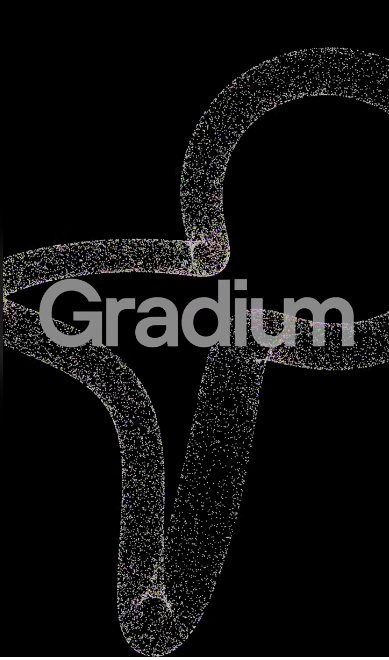
| Gradium | Paris | Developer-focused brand, out of stealth in Dec 2025 | Seed extended to $100M, incl. Nvidia (Jul) |
The challenger brands up close
Granola: a handwritten brand
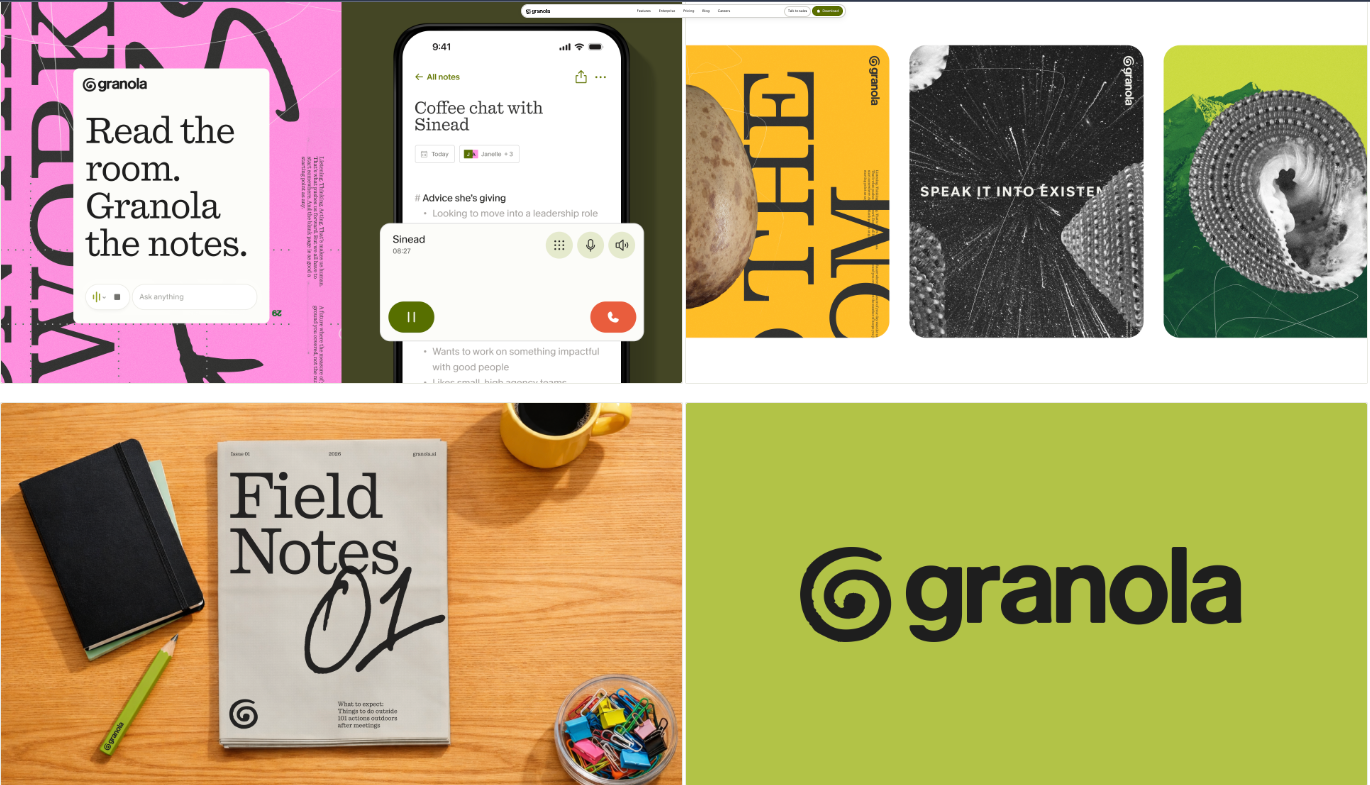
Granola, the London AI notepad, felt its first identity looked like many other SaaS companies. In February, Ragged Edge replaced it with a deliberately imperfect “G” that looks like it was jotted on a napkin, and a custom script built from hundreds of letters handwritten by co-founder Sam Stephenson. The colour is an earthy green rather than the bright tones common in AI.[7, 8] Billboards in London and New York read “Granola is not for breakfast”. The launch brought the company's best download day so far, and a few months later Granola raised $125M at a $1.5B valuation.[9] As Ragged Edge's Max Ottignon put it: “The temptation in AI is to look like everyone else.”
Legora: a B2B brand with a famous face
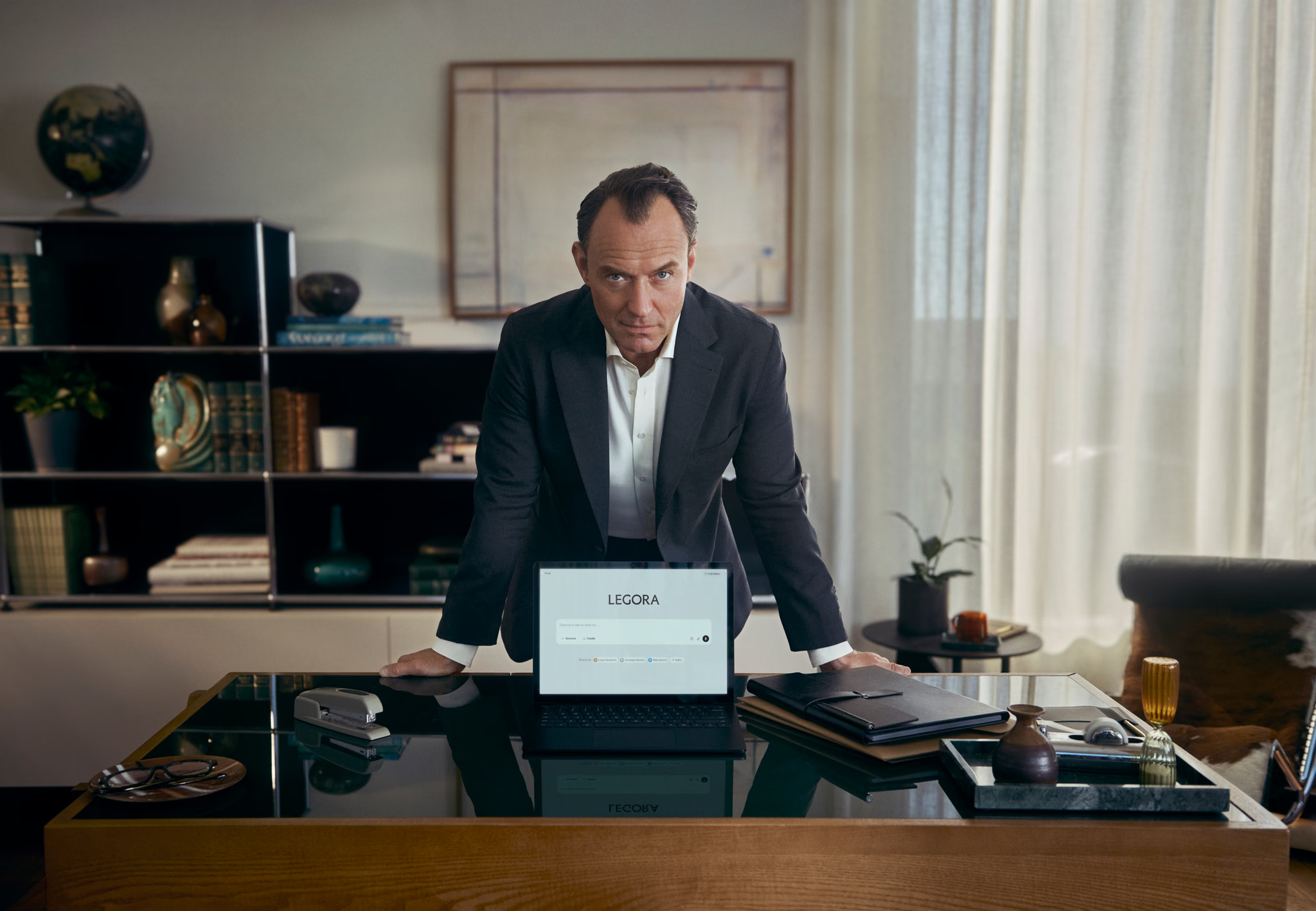
B2B software companies rarely hire celebrities. Legora, the Stockholm legal-AI company (renamed from Leya in 2025), signed Jude Law in April to front its global campaign, “Law just got more attractive”, with films shot by Oscar-winning cinematographer Hoyte van Hoytema.[10] Competing with US rival Harvey, Legora is betting that being well known will help it win clients in a crowded market.
Parloa: people first
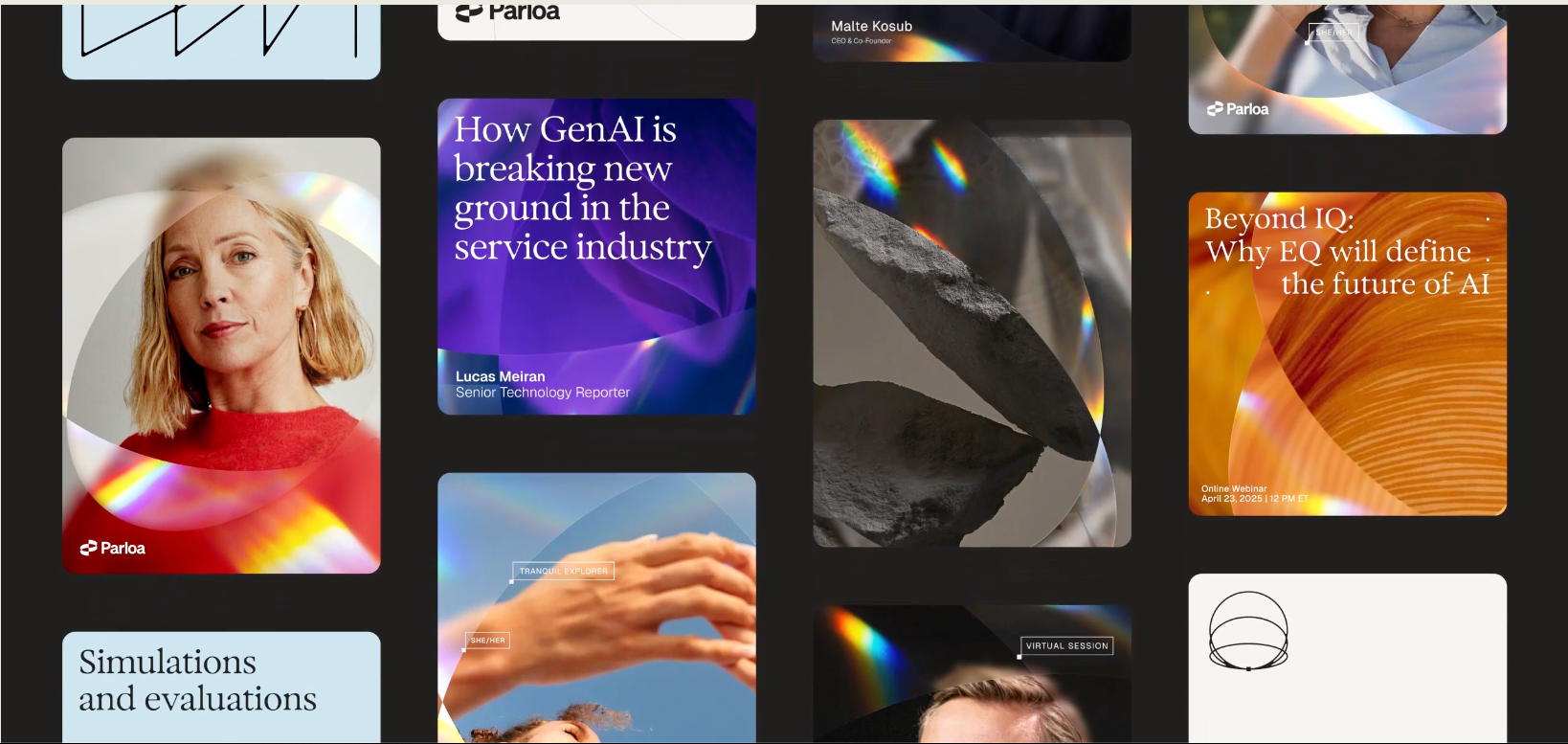
Many voice-AI companies talk about speed and integrations. Berlin's Parloa talks about relationships. Its identity by Further replaced a generic speech bubble with overlapping “lenses” where memory, emotion and meaning meet, set in the typeface Exposure, whose letters seem to come into focus.[11] The brand launched at the end of 2025, and in January Parloa raised $350M at a $3B valuation.[12]
n8n: from nodes to agents
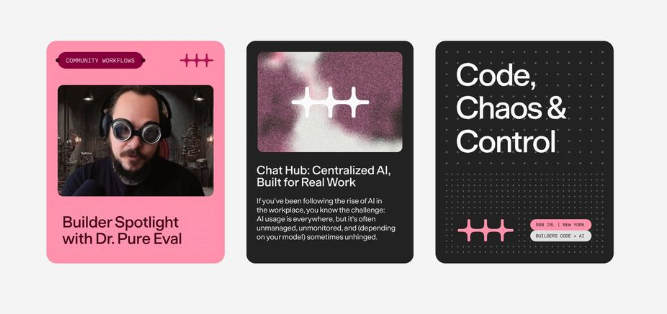
The Berlin automation platform presented a brand refresh at its In The Loop conference in October. The old logo showed connected nodes; the new one shows the activity those connections create, a nod to AI agents. The pink stays, slightly refined, alongside a new typeface.[13] It followed a round in June that doubled n8n's valuation to $5.2B, with SAP investing.[14]
Magnific: a Spanish rename
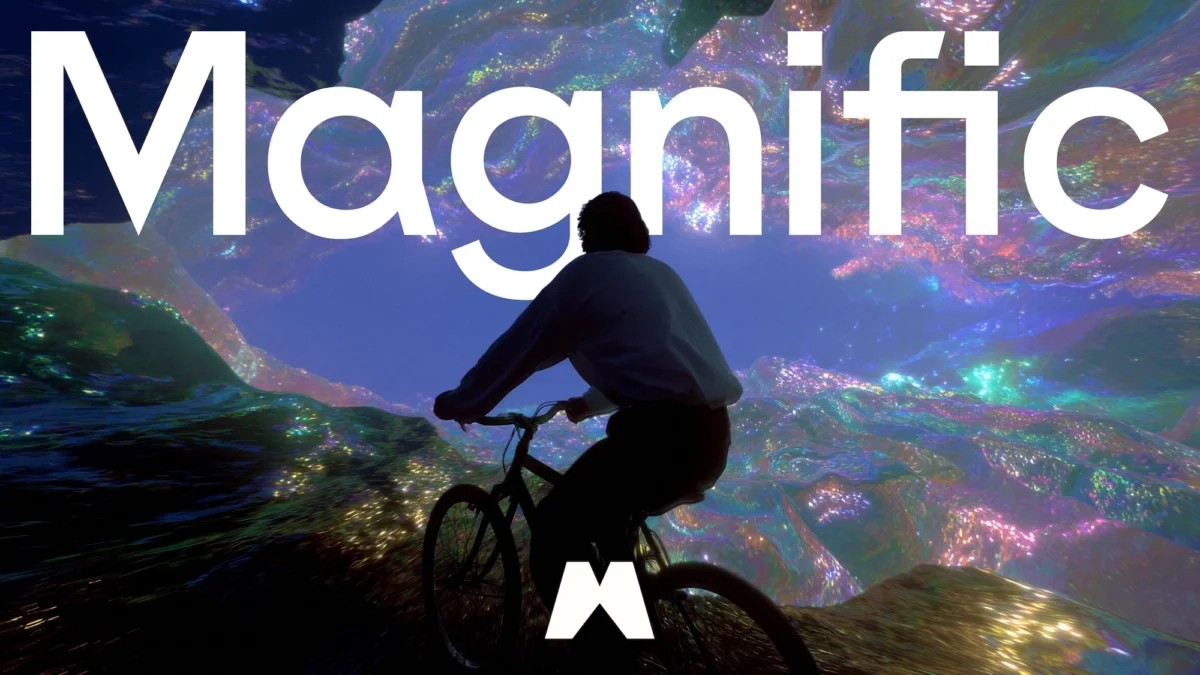
Freepik, founded in Málaga in 2010, gave up one of the best-known names in stock imagery for the name of the AI upscaler it bought in 2024. “People saw fragments: Freepik as stock, Magnific as an upscaler,” said CEO Joaquín Cuenca.[15] The company has never taken outside investment, is profitable and reportedly makes about $230M a year in recurring revenue.[16] It shows that a rename is above all a strategic decision.
Mistral AI: a brand that can laugh at itself
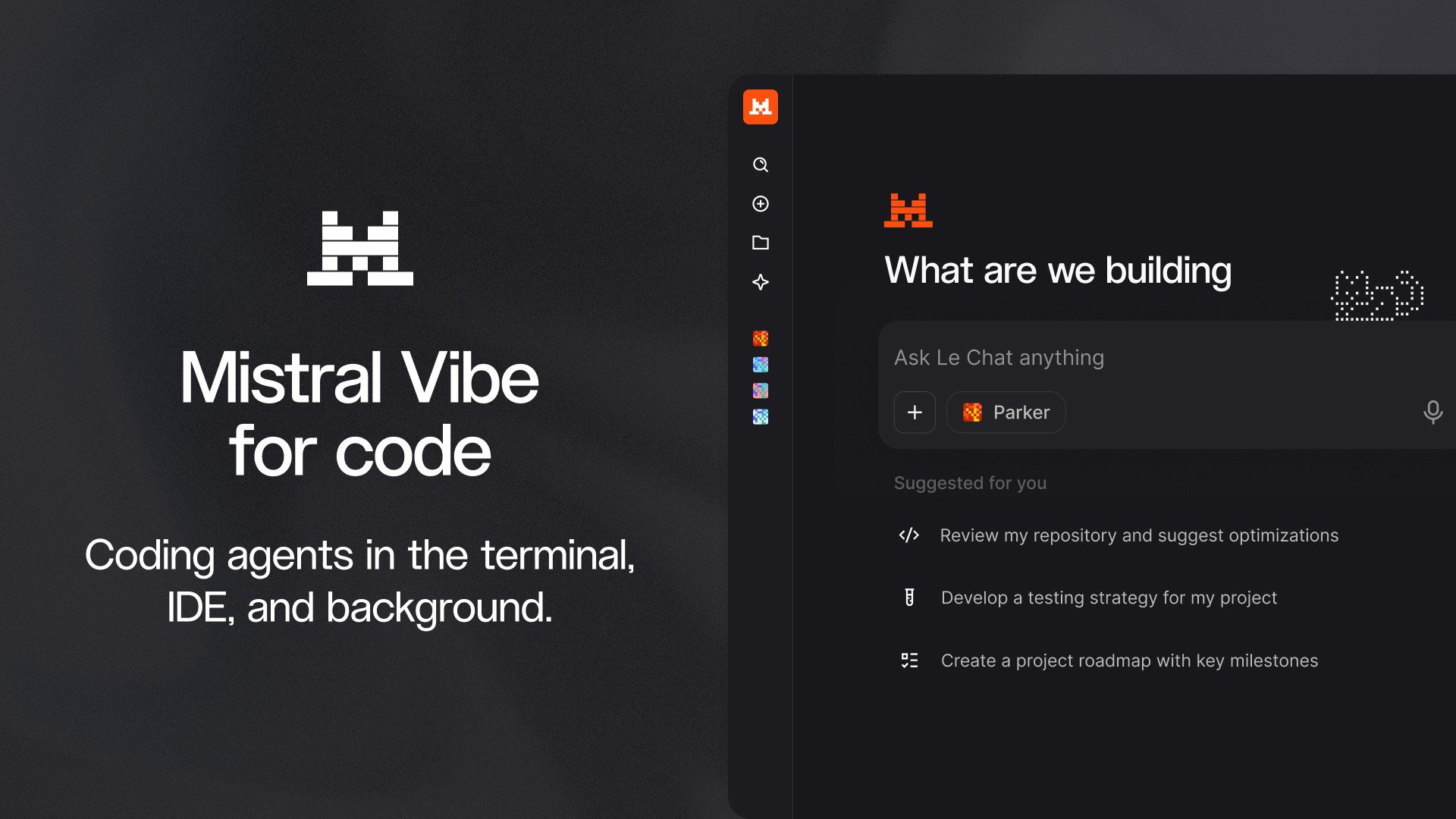
Mistral's pixel-block “M”, led in-house by Sylvain Boyer (who designed the Paris 2024 Olympics identity), was designed to feel warm and retro, in contrast to other AI companies.[17] In 2026 Mistral renamed its chatbot from Le Chat to Vibe.[18] When a meme about a fake giant-cat AI model went viral in June, the CEO joined in and the company added a cat mascot to Vibe.[19] In September it raised €3B at a valuation of more than €21B.[20]
Helsing: restraint in defence
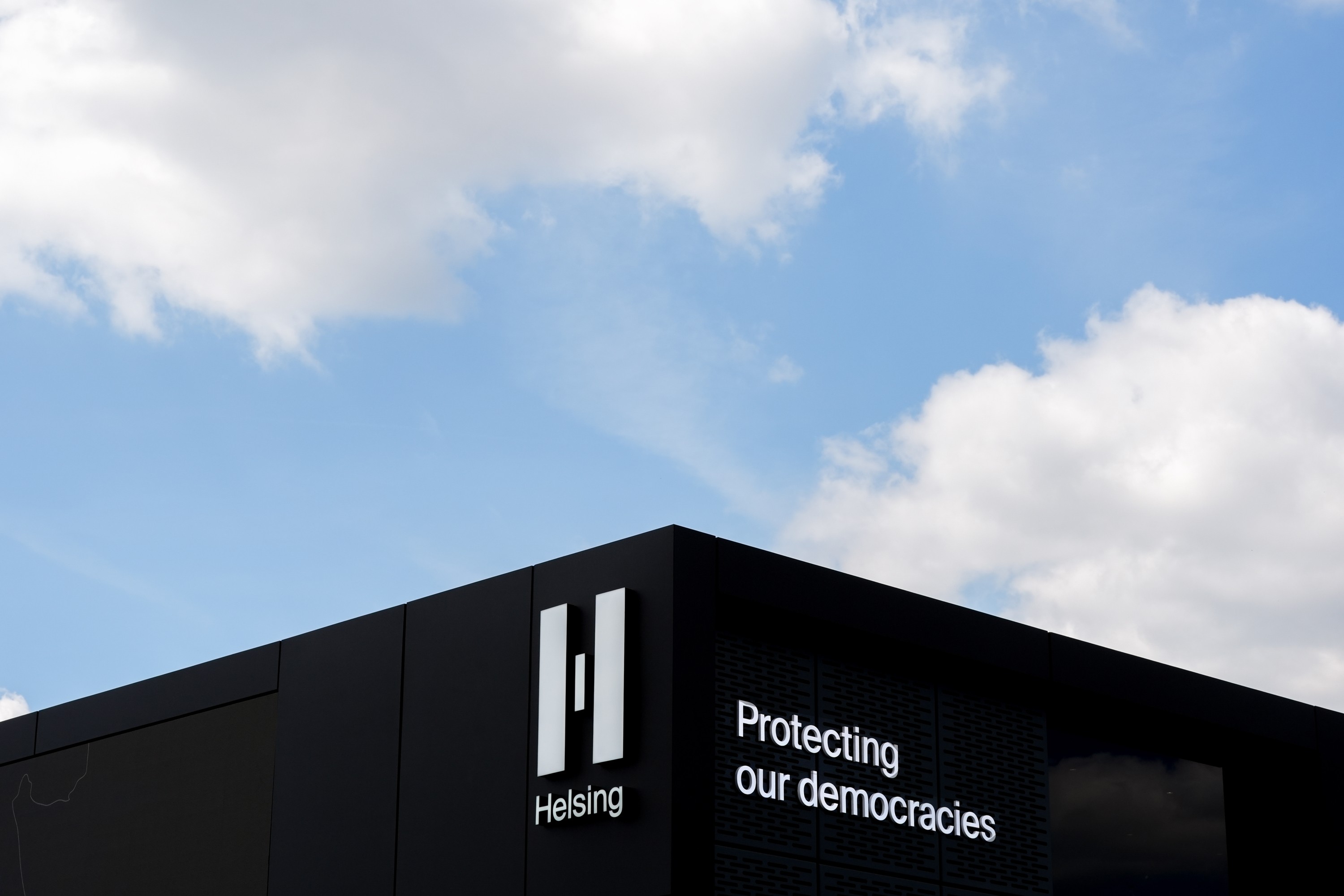
Munich's Helsing raised $1.8B at an $18B valuation in July, Europe's largest defence-tech round.[21] Its brand avoids the usual imagery of the sector. The “H” is designed as a symbol of protection, the palette is off-black and off-white, and the imagery shows landscapes of land, sea and air, along with flowers as a metaphor for protecting fragile things so they can grow.[22] In a sensitive category, restraint is part of the message.
Pleo: growing up and keeping the pink
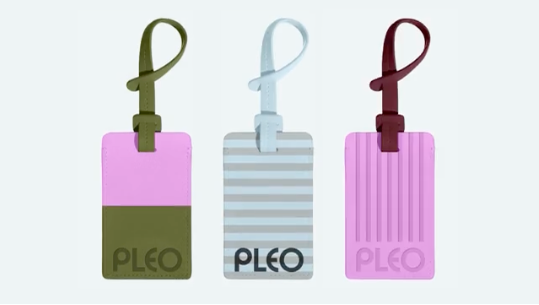
As it moves from small businesses to mid-market and enterprise clients, Copenhagen's Pleo could have swapped its pink for a more conventional finance blue. Instead, Porto Rocha made the pink slightly cooler and added a bespoke typeface, Pleo Scandi Gellix, and stripes inspired by spreadsheets to signal maturity.[23]
Gradium: one to watch
Gradium spun out of the Paris AI lab Kyutai at the end of 2025 with a $70M seed round[24] and extended it to $100M in July, with Nvidia joining.[25] Its brand is still young and aimed at developers: the main headline is a number, “50 ms to first audio”, and the copy is short and direct. It will be interesting to see how the brand develops as Gradium moves towards enterprise clients, the same stage at which Granola, Parloa and Pleo invested in their brands.
What didn't work
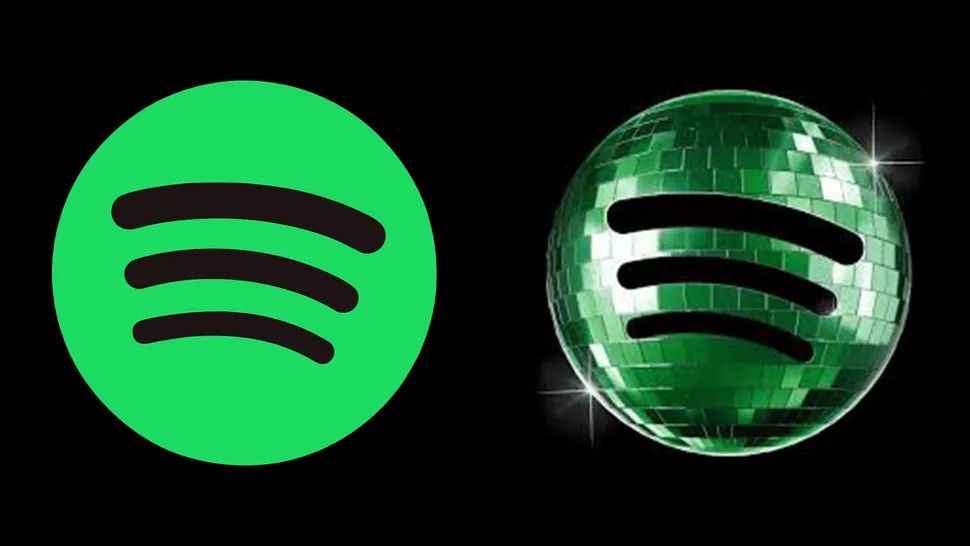
Spotify's disco ball. For its 20th anniversary in May, Spotify replaced its app icon with a shaded green disco ball. At icon size the detail became hard to read, and the highlights looked like the iPhone's “updating” overlay, so some users thought the app was stuck installing. A few days later Spotify posted: “We know glitter is not for everyone. Our temp glow up ends soon.” The classic icon returned on iPhone in June.[26, 27, 28] The lesson: test a mark at the size people actually see it.
Amazon's smile. Amazon's 2025 refresh was well executed, but criticism continued into 2026 because a cheerful smile sat uneasily next to headlines about working conditions and the environment.[29] Design alone can't fix a reputation.

What 2026's best brands have in common
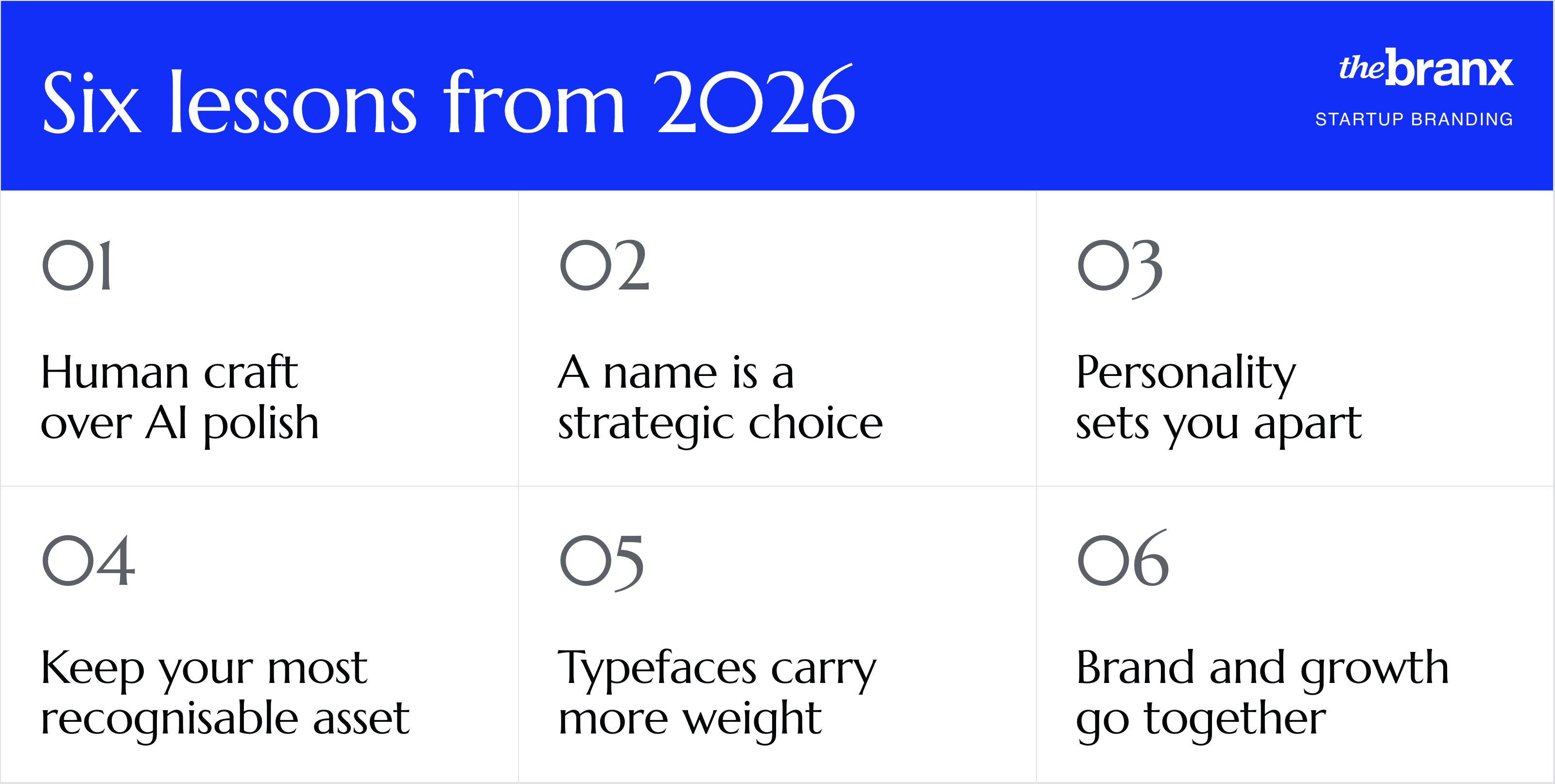
- Human craft over AI polish. Granola's handwriting, Instagram Pen, Mistral's pixels and Parloa's soft-focus type all move away from the glossy gradients common in AI branding.
- A name is a strategic choice. Magnific and Mistral's Vibe show that when what you sell changes, your name may need to change too.
- Personality sets you apart. Jude Law for Legora, a cat for Mistral, “Granola is not for breakfast”: when many products promise similar things, voice and character help people remember you.
- Keep your most recognisable asset. Pleo and n8n kept their pink, Nubank its purple, Instagram its icon. The strongest refreshes changed what surrounds the asset people already know.
- Typefaces carry more weight. NuSans, Stack Sans, Pleo Scandi Gellix and Granola's custom script show how a proprietary font has become one of the most important parts of an identity.
- Brand and growth go together. Granola, Parloa and Pleo invested in their brands as they moved upmarket, and large funding rounds came alongside or soon after.
What to expect in 2027
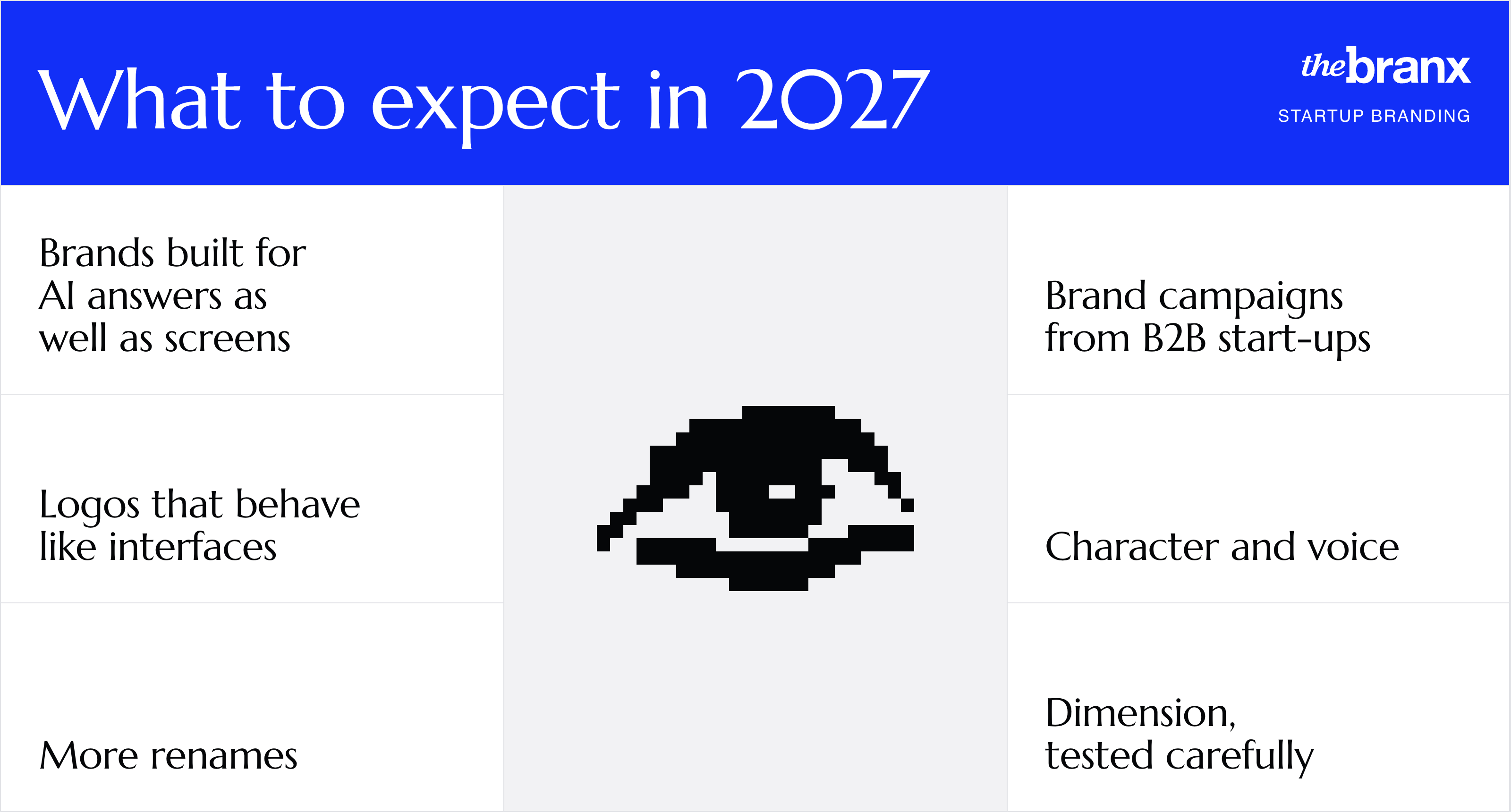
- Brands built for AI answers as well as screens. As more discovery happens through AI assistants, brands will need to be clear in text: a distinct name, a consistent description and a point of view an assistant can repeat.
- Logos that behave like interfaces. Intuit's wordmark already moves across screens to introduce its AI features. Expect more marks designed with motion and product UI in mind from the start.
- More renames. As AI changes what companies sell, more will follow Magnific and Mistral and rethink their names.
- Brand campaigns from B2B start-ups. With large funding rounds, Legora has shown that awareness campaigns are no longer only for consumer brands.
- Character and voice. Mascots, recognisable voices and founders' handwriting give a brand something to say when the interface is a conversation.
- Dimension, tested carefully. Gloss and texture will keep returning, but after Spotify, more brands will check them at small sizes first.
Three questions before you rebrand in 2027
- Does your name still fit what you sell? If not, a refresh may not be enough. Magnific chose a rename.
- Does your identity work at small sizes and in motion? Spotify's disco ball looked good large and struggled small.
- Could your brand be mistaken for a competitor's? If it could belong to any AI start-up, look for the human detail only you have, as Granola did.
Thinking about a rebrand for 2027? Talk to The Branx.
Sources
- Design at Meta: The new Instagram brand identity (Aug 2026)
- Telangana Today: Instagram refreshes wordmark, users joke it reads “Instagzam” (Aug 2026)
- Nubank: Brand refresh, how we renewed Nubank's visual identity (Jun 2026)
- Fast Company: Purple is everywhere in fintech (Oct 2026)
- Design Compass: Intuit, i-Beam system for binding platforms (Sep 2026)
- Creative Boom: Koto reframes Stack Overflow around its community (Jun 2026)
- Granola: Meet the new look Granola (Feb 2026)
- Creative Boom: Ragged Edge rebrands AI notepad Granola (Jul 2026)
- ZURB: The napkin logo raised $125M (Jul 2026)
- Legora: Legora hires Jude Law as global expansion accelerates (Apr 2026)
- Further: Parloa
- Invest in Berlin: Parloa raises $350M, now worth $3B (Jan 2026)
- n8n: n8n brand refresh 2026 (Oct 2026)
- Dealroom: n8n's valuation doubles to $5.2B with SAP investment (Jun 2026)
- Tech.eu: Freepik rebrands as Magnific (Apr 2026)
- The Next Web: Freepik rebrands as Magnific (Apr 2026)
- Creative Review: How French startup Mistral is using design to shake up AI
- Wikipedia: Mistral Vibe
- TestingCatalog: Mistral embraces cat mascot after “Le Chaton Fat” meme (Jun 2026)
- Orrick: Mistral's €3B Series D (Sep 2026)
- Helsing: Helsing raises $1.8bn in Series E (Jul 2026)
- Spin: Helsing identity
- Pleo: Evolving the Pleo brand (Sep 2026)
- TechCrunch: Paris-based AI voice startup Gradium nabs $70M seed (Dec 2025)
- Gradium: $100M funding with Nvidia (Jul 2026)
- Valley News Live: Spotify's disco ball logo won't be here forever (May 2026)
- Creative Bloq: The new Spotify logo is being laid to rest (May 2026)
- Republic World: Spotify's old iPhone icon makes a comeback (Jun 2026)
- Inkbot Design: Controversial rebrands of 2026